
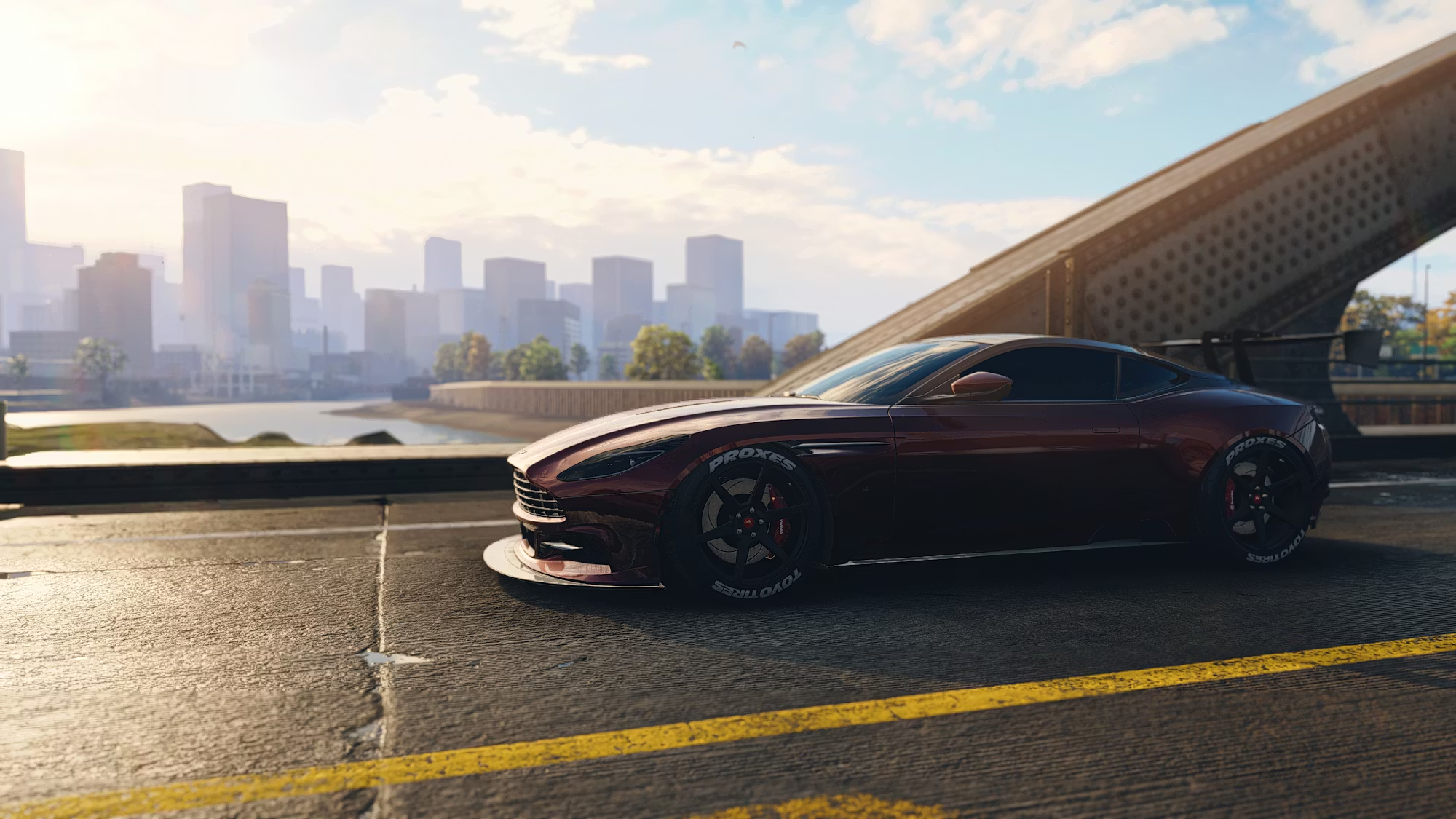
Supercars have always represented the ultimate in automotive engineering, captivating enthusiasts with their blend of breathtaking performance, stunning aesthetics, and innovative technology. From their humble beginnings to the cutting-edge machines we see today, supercars have continually evolved, pushing the boundaries of what is possible on four wheels. This article delves into the evolution of supercars, examining their history, iconic models, and the impact they have had on automotive culture and society.
The origins of the supercar can be traced back to the mid-20th century, when manufacturers began to produce high-performance vehicles that combined speed with luxury. The Ferrari 250 GTO, produced in the early 1960s, is often heralded as one of the first true supercars. With its lightweight construction and powerful V12 engine, the 250 GTO dominated the racing scene, establishing Ferrari as a leader in performance and setting the stage for future supercars. This model not only showcased advanced engineering but also introduced the concept of exclusivity in the automotive world, as only a limited number were ever produced.
As the 1970s and 1980s rolled in, the supercar segment witnessed an explosion of innovation and competition. The introduction of the Lamborghini Countach in 1974 redefined automotive design with its angular, futuristic lines and scissor doors. This iconic vehicle captured the imagination of car enthusiasts worldwide and became a symbol of the 1980s. The Countach was powered by a V12 engine that delivered exhilarating performance, proving that supercars could offer both style and substance.
The 1980s also marked the arrival of the Ferrari F40, a car that would set new benchmarks for performance. Introduced to celebrate Ferrari’s 40th anniversary, the F40 was the first production car to break the 200 mph barrier, boasting a twin-turbocharged V8 engine that produced 471 horsepower. Its lightweight design and raw performance made it a favorite among driving purists, solidifying its status as one of the greatest supercars of all time.
The 1990s brought further advancements in technology and design, paving the way for hypercars—vehicles that push the limits of speed and engineering even further. The McLaren F1, released in 1992, was a game-changer. With its carbon fiber monocoque chassis and a central driving position, the F1 was not only visually stunning but also incredibly fast, achieving a top speed of 240 mph. This car combined cutting-edge technology with an unrivaled driving experience, demonstrating that supercars could be both high-performing and practical.
As we entered the 21st century, supercars became even more advanced. The Bugatti Veyron, launched in 2005, raised the bar yet again, boasting a quad-turbocharged W16 engine that produced an astounding 1,001 horsepower. With a top speed of 253 mph, the Veyron became the fastest production car in the world, capturing the hearts of automotive enthusiasts and collectors alike. Its luxurious interior and meticulous attention to detail set a new standard for supercar design, merging performance with opulence.
Today, the supercar landscape continues to evolve, driven by advancements in technology, sustainability, and design. Manufacturers are increasingly focusing on hybrid and electric powertrains, recognizing the need for environmentally friendly alternatives without sacrificing performance. The Ferrari SF90 Stradale, for example, combines a powerful twin-turbo V8 engine with three electric motors, producing a total of 986 horsepower. This plug-in hybrid supercar not only offers breathtaking speed but also demonstrates Ferrari’s commitment to sustainability.
In parallel, electric hypercars are making their mark on the automotive world. The Rimac C_Two, an all-electric hypercar, showcases the incredible potential of electric powertrains. With a staggering 1,914 horsepower and a 0 to 60 mph time of just 1.85 seconds, the C_Two represents the future of performance. This shift toward electrification signifies a major transformation in the supercar segment, paving the way for a new generation of vehicles that prioritize sustainability alongside speed.
The influence of supercars extends beyond the realm of engineering; they have become cultural icons that inspire passion and creativity. Car enthusiasts flock to events like the Monterey Car Week and the Goodwood Festival of Speed, where they can experience the latest models and connect with fellow enthusiasts. These gatherings foster a sense of community and celebrate the artistry and craftsmanship that goes into creating these remarkable vehicles.
Moreover, supercars have permeated popular culture, appearing in films, video games, and advertising campaigns. Movies like The Fast and the Furious franchise have introduced a new generation to the allure of high-performance vehicles, further embedding supercars in the fabric of modern culture. This exposure not only increases awareness but also drives interest among younger audiences, ensuring the continued relevance of these vehicles in the automotive landscape.
As supercars evolve, manufacturers are also adapting to the demands of consumers who seek a balance between performance and practicality. The Porsche 911 Turbo S, for instance, combines blistering speed with everyday usability, making it a favorite among enthusiasts who desire both performance and comfort. This trend reflects a growing recognition that supercars can be both thrilling and functional, appealing to a broader audience.
The future of supercars promises exciting developments as technology continues to advance. Innovations in materials, such as lightweight composites and advanced aerodynamics, will allow manufacturers to create vehicles that are faster, more efficient, and more enjoyable to drive. Additionally, the integration of artificial intelligence and connectivity features will enhance the driving experience, providing real-time data and personalized insights for drivers.
In conclusion, the evolution of supercars is a testament to the relentless pursuit of excellence in automotive engineering. From the early days of the Ferrari 250 GTO to the cutting-edge technology of electric hypercars, these vehicles represent the culmination of innovation, design, and passion. As the automotive industry continues to evolve, supercars will remain at the forefront, inspiring future generations and capturing the imagination of enthusiasts worldwide. The blend of performance, luxury, and cultural significance ensures that supercars will continue to thrive in the ever-changing automotive landscape.

 Laura Sinclair